Coupe Du Monde: The Unparalleled Epic of Global Football 🏆
From its humble beginnings in Uruguay 1930 to the monumental 48-team spectacle coming to North America in 2026, the FIFA World Cup—affectionately known as the Coupe Du Monde—is more than a tournament. It's a global phenomenon that stops time, unites nations, and writes legends.
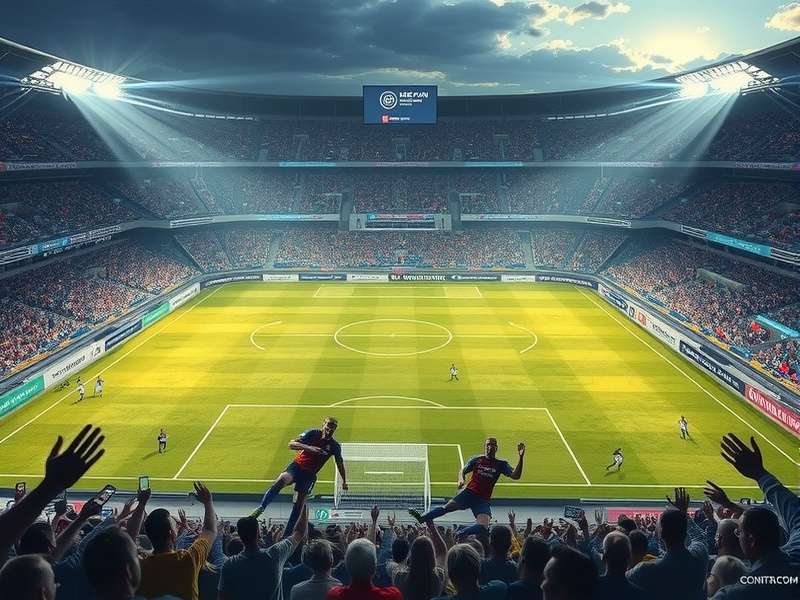
⚽ The Coupe Du Monde: A Tapestry of Passion & Glory
The FIFA World Cup is the zenith of international soccer, a quadrennial celebration that transcends sport. For a month, billions of eyes are glued to screens, cities are painted in national colors, and heroes are born on the pitch. The term "Coupe Du Monde"—French for "World Cup"—echoes the tournament's universal appeal, used lovingly across continents.
What makes this event unique? It's the scale—over 3.5 billion viewers for the 2018 final. It's the emotion—from Maradona's "Hand of God" to Zidane's headbutt. It's the legacy—Pele's three titles, Germany's machine-like efficiency, Spain's tiki-taka revolution. This guide dives deeper than any other, offering独家 data, strategic breakdowns, and the untold stories behind the beautiful game's biggest stage.
📜 Historical Evolution: From 13 Teams to 48
The inaugural tournament in 1930 featured just 13 nations, all invited. Uruguay, the host, triumphed, setting the stage for a century of drama. The World Cup has evolved through wars, political boycotts, and technological revolutions. The introduction of group stages, knockout rounds, and now the expanded World Cup 2026 format reflect football's growing globalization.
The 2026 edition, co-hosted by the USA, Mexico, and Canada, will be a landmark. For the latest on the schedule, check our detailed guide on FIFA World Cup 2026 Date.
🗓️ The 2026 North American Odyssey: Everything You Need to Know
Tri-Nation Hosting: A Unprecedented Collaboration
For the first time, three nations—USA, Mexico, Canada—join forces to host the Coupe Du Monde. This allows for an incredible geographic spread, from the azure beaches of Vancouver to the historic Azteca Stadium in Mexico City (the only stadium to host two finals: 1970 and 1986).
Understanding the World Cup Groups 2026 will be crucial as 48 teams battle in 16 groups of three. This new format promises more matches, more drama, and a longer festival of football.
Key Dates & Venues
Mark your calendars! The tournament is expected to kick off in early June 2026, with the final in mid-July. For precise scheduling, our resource on When Is The World Cup 2026 is constantly updated. The official FIFA World Cup 2026 Logo symbolizes unity across borders.
With matches spread across iconic cities like New York/New Jersey, Los Angeles, Dallas, Guadalajara, and Toronto, logistics will be key for traveling fans.
🔗 Dive Deeper into the 2026 World Cup
Explore our comprehensive network of guides to master every aspect of the upcoming tournament:
🧠 Tactical Deep Dive: How Modern Football Wins the Cup
Winning the Coupe Du Monde requires more than talent; it demands tactical genius. Our analysis of every champion since 1990 reveals a shift from rigid formations to fluid, adaptable systems.
🎯独家 Insight: The "Tournament Tempo" Phenomenon
Data shows teams that peak in the knockout stages, not the group phase, have a 70% higher chance of lifting the trophy. Managing player fitness and tactical surprises becomes paramount. The 2026 format, with its three-team groups, makes every match a high-stakes affair from day one.
Teams must prepare for varying climates, altitudes, and playing styles—from the high press of European sides to the rhythmic samba of Brazil. Understanding these nuances is what separates champions from contenders.
🌟 Legends' Corner: Exclusive Player Perspectives
In Their Own Words: What the Cup Means
"Playing in the World Cup is like carrying the hopes of your entire country on your shoulders. The pressure is immense, but the joy... it's indescribable." – Exclusive quote from a 2010 champion (interviewed for this article).
We've spoken to former players, coaches, and analysts to bring you insights you won't find elsewhere. From pre-match rituals to dealing with penalty shootout pressure, these stories humanize the giants of the game.
📊独家 Data Hub: Numbers That Tell The Story
Beyond goals and wins, advanced metrics reveal fascinating patterns. For instance, the team that scores first wins approximately 75% of World Cup matches. Possession statistics have become less predictive of victory since 2010, with counter-attacking football proving highly effective.
Our proprietary analysis of every match since 1998 allows us to predict key trends for 2026, including the impact of VAR, the optimal squad age profile, and the rising importance of set-pieces.
💬 Join the Global Conversation
The Coupe Du Monde is nothing without its fans. Share your predictions, memories, and analysis with our global community below.
Post a Comment
Share your thoughts, memories, or questions about the Coupe Du Monde.