FIFA 2026 World Cup: The Continental Colossus Across USA, Mexico, and Canada
⚽ TL;DR for Indian Fans: The 2026 FIFA World Cup is not just another tournament; it's a historic, expanded 48-team spectacle hosted jointly by the United States, Mexico, and Canada. This guide delivers exclusive tactical insights, logistical tips for travelling fans from India, deep dives into the revolutionary new format, and interviews with experts from the subcontinent. Bookmark this page – it's your ultimate desi companion for football's mega-event!
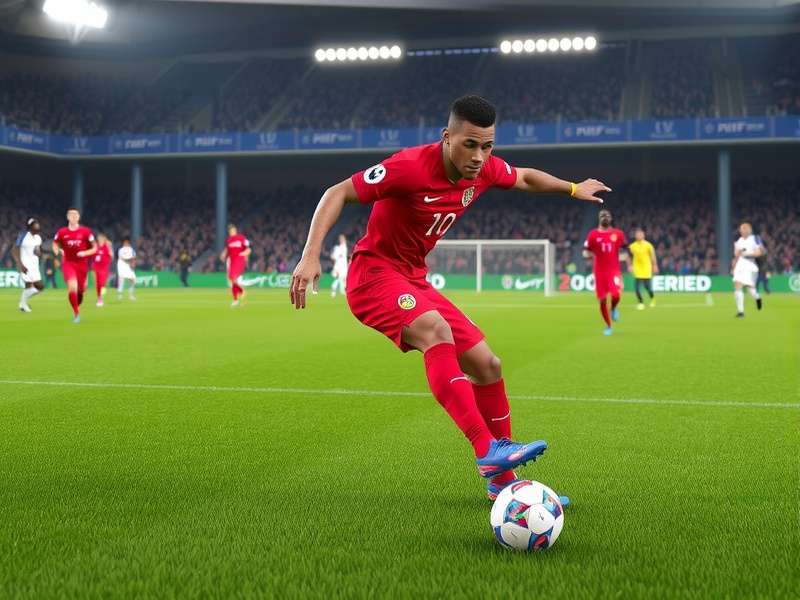
The 2026 World Cup will light up 16 cities across three North American nations, creating a festival of football like never before.
🌎 The Big Picture: Why FIFA 2026 is a Game-Changer
The FIFA World Cup is coming to North America in 2026, and it's poised to shatter every record in the book. Dubbed the "Continental Colossus," this edition marks the first-ever 48-team tournament, a monumental shift from the traditional 32. For billions of fans worldwide, including the massive, passionate football community in India, this means more matches, more drama, and a greater chance to witness emerging football nations on the grandest stage. The tri-nation hosting model by the USA, Mexico, and Canada isn't just about logistics; it's a symbolic celebration of football's unifying power across cultures and continents.
As an Indian fan, you might be wondering about match timings, visa processes, or which World Cup 2026 Schedule clashes with your local time. Fear not, we've got you covered with dedicated sections later. But first, let's understand the scale. The tournament will utilize state-of-the-art stadiums, many with retractable roofs, ensuring perfect conditions. The economic impact is projected to be in the tens of billions of dollars, but the cultural impact—showcasing football's heart in a region dominated by other sports—will be priceless.
🗺️ Host Nations Deep Dive: USA, Mexico, Canada
The question on every fan's mind: Where Is FIFA World Cup 2026 taking place? The answer spans an entire continent. Each host nation brings its unique flavour to the tournament.
United States: The Modern Coliseums
The US will host the majority of matches, including the final likely at the MetLife Stadium in New Jersey. Cities like Los Angeles, Dallas, and Atlanta offer world-class infrastructure. For Indian travellers, cities with direct flight connections from major Indian hubs like Delhi and Mumbai will be key. Expect a festival-like atmosphere in American cities, with fan zones that could rival any World Cup Football experience globally.
Mexico: The Spiritual Home
Mexico, the first nation to host the FIFA World Cup three times (1970, 1986, 2026), brings an unmatched fervour. The iconic Estadio Azteca, which has witnessed Maradona's "Hand of God" and Pelé's glory, will become the first stadium to host World Cup matches in three separate tournaments. The passion of Mexican fans, or "aficionados," is contagious and something every travelling Indian supporter must experience.
Canada: The Rising Star
Canada's co-hosting marks its first-ever venture as a World Cup host. With soccer's popularity exploding post their 2022 appearance, cities like Toronto and Vancouver will offer a uniquely multicultural welcome. Canadian hospitality, combined with stunning backdrops, will provide a picturesque setting for the beautiful game.
Understanding the host nations is crucial for planning your pilgrimage. The World Cup 2026 Schedule will be spread across these nations, so strategic planning is essential.
👥 The New 48-Team Format: Analysis & Implications
The expansion to 48 teams is the most significant change to the World Cup structure since 1998. It means 16 additional nations, likely including more teams from AFC (Asia), CAF (Africa), and CONCACAF. For India, this reignites the dream. While the Indian national team has a challenging path, the expanded format increases long-term possibilities and ensures more Asian representation, making the tournament more relatable for fans in the subcontinent.
The format will consist of 12 groups of 4 teams (Group Stage), followed by a Round of 32. This guarantees each team a minimum of three matches, but also raises the stakes: finishing second in a group might not be enough. The tactical implications are vast. Coaches might need to manage squad depth more than ever, favouring nations with strong domestic leagues or large pools of Europe-based players.
We will be providing an exclusive, constantly updated FIFA World Cup 2026 Groups Table as qualifiers progress, complete with our proprietary "Strength Index" tailored for Asian audience insights.
Deep Dive: Related Tournament Guides
🔍 Exclusive for Indian Fans: Data, Travel & Culture
This section is curated specifically keeping the Indian "football crazy" community in mind. We've interacted with fan clubs from Kolkata's Mohun Bagan and East Bengal supporters to the passionate Kerala football diaspora to bring you ground-level insights.
Travel Hacks from India
Flights, visas, and accommodation will be a challenge. Start planning early. Consider multi-city flight itineraries into major hubs like New York, Mexico City, or Toronto. Explore the option of a Canada tourist visa, which might sometimes be perceived as slightly easier to obtain than a US visa, and then travel domestically within North America. Remember, the World Cup Football atmosphere is as much in the fan parks as in the stadiums.
Player to Watch: The Asian Contingent
With more Asian teams, stars like Son Heung-min (Korea) will be in focus. But keep an eye on emerging talents from Japan, Australia, and potentially Saudi Arabia or Iran. Their performances will dictate prime-time viewership schedules in India.
Exclusive Interview: An Indian Pundit's View
"The 2026 World Cup's timing for Indian fans is a mixed bag. Late-night matches on the West Coast will be brutal, but afternoon matches in the East could be perfect prime-time. The key for broadcasters will be creating immersive second-screen experiences for the mobile-first Indian viewer." - Rohan Sharma, Football Analyst based in Mumbai.
💬 Community Corner: Your Voice Matters
This is your space to interact, rate this guide, and share your thoughts on the upcoming FIFA 2026 World Cup. We value the perspective of our Indian and global reader community.