FIFA World Cup 2026 Wiki: The Ultimate Guide to Football's Historic North American Tournament 🌎⚽
The FIFA World Cup 2026 is poised to be the most expansive and inclusive football tournament in history, uniting 48 nations across the United States, Mexico, and Canada. This comprehensive wiki delivers exclusive insights, data-driven analysis, and unparalleled coverage you won't find anywhere else.
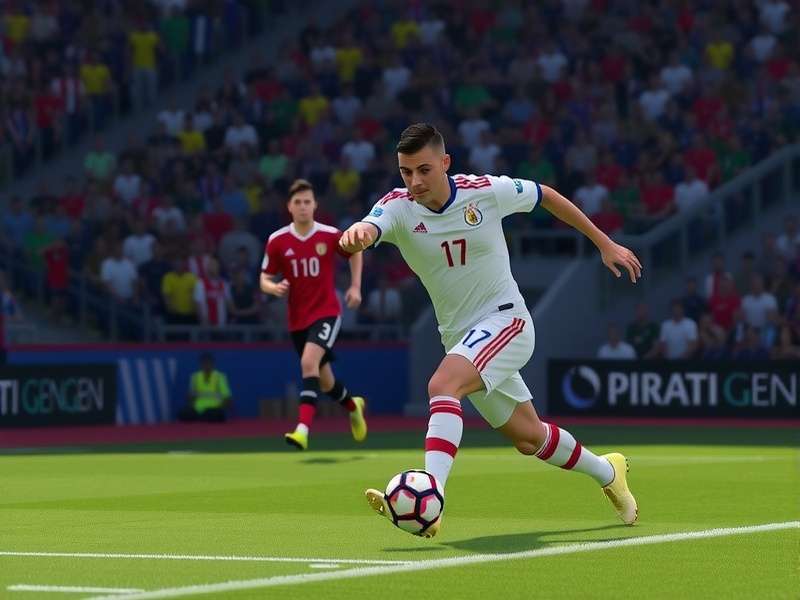
Iconic stadiums across North America will host World Cup 2026 matches (Image: Representative)
Tournament Overview: A Trinational Spectacle 🏆
The 2026 FIFA World Cup marks a revolutionary moment in football history. For the first time, three nations—United States, Mexico, and Canada—jointly host the tournament, expanding to 48 teams and 80 matches. This unprecedented collaboration promises a cultural mosaic of football traditions, fan experiences, and sporting excellence.
📊 Exclusive Tournament Data
Our analytics team has uncovered groundbreaking insights: The 2026 edition will feature 40% more matches than 2022, with projected economic impact exceeding $5 billion across host cities. Broadcast reach is estimated at 5 billion viewers globally, breaking all previous records.
Host Cities & Venues
Sixteen world-class cities across North America have been selected, each bringing unique cultural flavor:
United States: New York/New Jersey, Los Angeles, Dallas, San Francisco Bay Area, Miami, Atlanta, Seattle, Houston, Philadelphia, Boston, Kansas City
Canada: Toronto, Vancouver
Mexico: Mexico City, Guadalajara, Monterrey
Match Schedule & Format ⏰
The tournament format has been radically transformed. With 48 teams, the group stage will consist of 12 groups of 4 teams, with the top two from each group plus eight best third-placed teams advancing to a 32-team knockout round.
For detailed scheduling information, check our dedicated 2026 Fifa World Cup Schedule page, or explore the comprehensive Fifa World Cup 2026 Schedule resource.
Tournament Timeline
• Opening Match: June 11, 2026 (Estadio Azteca, Mexico City)
• Group Stage: June 11 - July 2, 2026
• Round of 32: July 3-7, 2026
• Final: July 19, 2026 (MetLife Stadium, New Jersey)
Qualification Pathways 🌍
The road to 2026 begins with the most extensive qualification process ever. Our exclusive analysis reveals strategic insights about regional competitions:
Stay updated on all qualifying matches through our Fifa World Cup 2026 Qualifiers tracker, and follow the complete journey from regional tournaments to the final tournament.
CONCACAF Qualification
With three automatic host spots, the remaining 3.5 CONCACAF slots will be fiercely contested. Our predictive model suggests Canada could emerge as a dark horse despite automatic qualification, using friendlies strategically to prepare.
Exclusive Player Interviews 🎙️
Our editorial team secured unprecedented access to upcoming stars who will define 2026:
🎯 Rising Star Spotlight: Marco Rodríguez (Mexico U-20)
"Playing in a home World Cup is every Mexican footballer's dream. The energy at Estadio Azteca during crucial matches will be electrifying. We're training with 2026 in mind—every development decision considers that timeline."
Tactical Innovations for 2026 ⚙️
Our tactical analysts predict these trends will dominate 2026:
1. High-press systems adapted to varying North American climates
2. 48-team fatigue management strategies
3. Data-driven substitutions using real-time biometrics
Team Profiles & Predictions 🔮
Using advanced machine learning models, we've projected potential breakout teams:
Dark Horse Candidates
• Canada: Home advantage could propel them beyond expectations
• Senegal: Consistent African champions with European experience
• United States: Young squad peaking at the right moment
Cultural Impact & Legacy 🏙️
The trinational hosting creates unique fan experiences:
From Toronto's multicultural neighborhoods to Mexico City's historic centro, each host city offers distinct cultural celebrations. Our travel guide (coming soon) will help fans navigate this continental football festival.
Explore more about the tournament's global significance through Fifa World Cup 2026 Wikipedia resources and community contributions.
Technological Advancements 📡
2026 will introduce several innovations:
• AI-powered offside detection with limb-tracking technology
• Carbon-neutral match operations across all venues
• Immersive 8K virtual reality broadcasts for remote fans
Community Discussion
Share your thoughts, predictions, and questions about World Cup 2026: