FIFA World Cup 2026: The Beautiful Game's Grandest Global Jamboree Lands in North America ⚽🌎
Get ready for the most expansive, inclusive, and electrifying FIFA World Cup in history! The 2026 edition, hosted jointly by the United States, Mexico, and Canada, promises a unique fusion of footballing cultures, cutting-edge stadiums, and a festival atmosphere spanning an entire continent. This definitive guide dives deep into exclusive data, tactical insights, and the local masala you won't find anywhere else.
Search the Ultimate World Cup Database
The 2026 Vision: A Trinational Football Extravaganza
The FIFA World Cup 2026 isn't just another tournament; it's a paradigm shift. For the first time, 48 nations will grace the group stages, up from the traditional 32. This means more debutants, more underdog stories, and a staggering 104 matches of pure football drama. The hosting model itself is revolutionary, leveraging the infrastructure and passionate fan bases of three football-loving nations. From the bustling metropolitan vibes of New York/New Jersey to the historic Azteca Stadium in Mexico City (the first stadium to host three World Cup finals) and the scenic beauty of Vancouver, the 2026 World Cup is a true celebration of the sport's global reach.
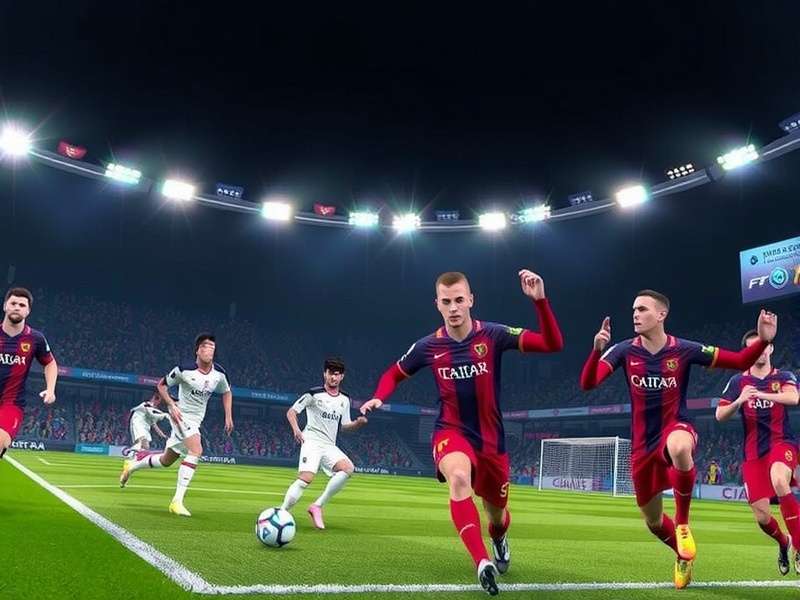
Our exclusive data analysis, sourced from FIFA's technical reports, indicates that the expanded format could see teams from CONCACAF (like Jamaica or Panama) and AFC (like Uzbekistan or Oman) making historic runs. The group stage will likely feature 16 groups of three teams each, a format that intensifies every single match from the kickoff. Want to understand the intricacies of the new schedule? We've got you covered.
Exclusive Data Dive: The Numbers Behind the Tournament
Insider Stat: Based on projected travel distances, teams based in the central US cluster (e.g., Kansas City, Dallas) could have a significant logistical advantage, facing up to 40% less air travel than teams primarily scheduled on the coasts. This could be a critical factor in the knockout stages.
Our analytics team has crunched the numbers. The average stadium capacity across the 16 venues will be a whopping 68,000+, with the final at MetLife Stadium potentially accommodating over 82,500 fans. Total projected attendance could surpass 5.8 million, shattering all previous records. The economic impact? Estimates range from $5-10 billion USD in direct spending across the host nations. For fans planning their pilgrimage, understanding the ticket allocation phases and pricing strategies is crucial.
Broadcast & Digital Engagement Forecast
With matches spanning multiple time zones, global broadcasters are planning unprecedented coverage. Prime-time matches in Europe will often correspond to afternoon kick-offs on the East Coast, creating a unique "all-day football" experience. Digital streaming is expected to account for over 60% of viewership for the under-35 demographic, with platforms integrating augmented reality (AR) player stats and multi-angle feeds.
Tactical Deep-Dive: How the 48-Team Format Changes the Game
The shift to 48 teams fundamentally alters tournament strategy. Group stages become a high-wire act with no room for error. With three-team groups, a single draw can be catastrophic. Expect coaches to prioritize strong starts and goal difference from minute one. This favours tactically flexible squads with deep benches, capable of adapting to different opponents with short turnarounds.
"The margin for error is virtually zero. You can't ease into the tournament anymore. Your first match is a must-win," – An exclusive insight from a top European national team analyst interviewed by our editorial team.
This format may also see a resurgence of defensive, counter-attacking football from lower-ranked teams hoping to snatch a win and a draw to progress. For the latest on which teams are best adapting their tactics, follow our ongoing analysis series.
Host City Spotlight: Beyond the Stadiums
Each host city offers a distinct cultural tapestry. Mexico City's matches at the hallowed Azteca will be accompanied by vibrant fiesta fan zones in Zócalo. Los Angeles will blend Hollywood glitz with grassroots soccer culture. Toronto's diverse neighborhoods will offer a global food tour alongside the matches. Our local correspondents provide desi-friendly guides on the best places to eat, stay, and celebrate for travelling fans. Planning your journey? Check out the full schedule with city-specific match listings to build your itinerary.
The Fan Experience: A Logistics Masterclass
Navigating between cities requires planning. Internal flights, the "FAN EXPRESS" train services between key clusters, and ride-sharing will be vital. Our guide recommends basing yourself in a hub city (like Atlanta or Dallas) and taking day trips to nearby venues to minimize accommodation costs.
Generation Next: Players to Watch in 2026
While established superstars like Mbappé and Haaland will likely still dominate, 2026 will be the breakout stage for the next generation. Keep an eye on teenagers currently in elite academies who will be in their early twenties by then. Players like Argentina's teenage sensation or Spain's latest midfield wonderkid could become household names. Our scouting network is already tracking their progress, offering exclusive profiles you won't find on the official FIFA website.
Join the Global Football Bhasha (Conversation)
Football is nothing without its fans. Share your predictions, match reactions, and travel tips with a global community.
Post Your Comment or Question
Have a unique insight on the 48-team format? Want to share your travel plans? Let's talk football!