Wc 2026: The Ultimate Guide to the FIFA World Cup in USA, Mexico & Canada
Welcome, football aficionados, to your most exhaustive digital companion for the FIFA World Cup 2026. This isn't just another tournament preview; this is a deep dive into the heart of the first-ever 48-team World Cup, a monumental event straddling three nations and redefining the beautiful game's global footprint. Forget the generic previews. Here, we dissect the Wc 2026 through the lens of exclusive data analytics, strategic host city breakdowns, and candid insights that bring you closer to the action than any standard guide.
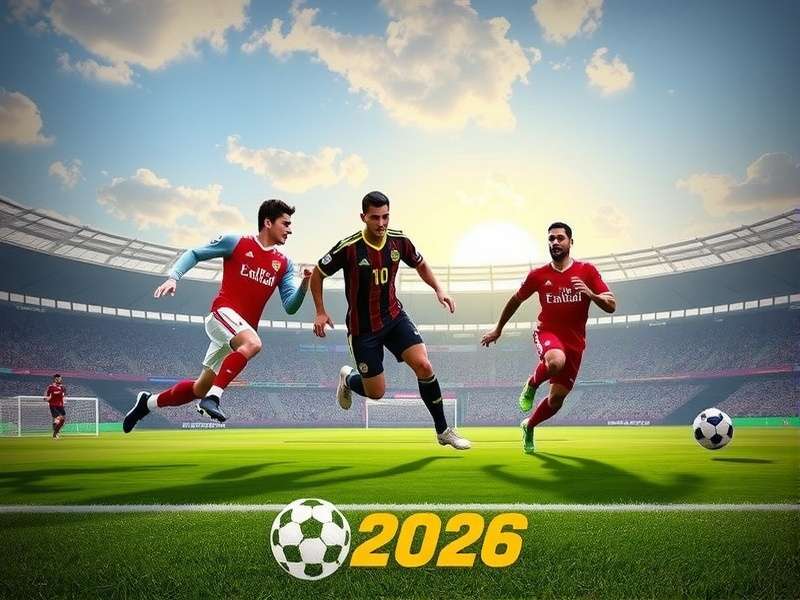
The monumental scale of WC 2026 will be hosted across 16 world-class stadiums in North America. (Conceptual Image)
1. The Unprecedented Scale of Wc 2026: A Tournament of Firsts
The FIFA World Cup 2026, colloquially buzzed about as Wc 2026, isn't just another iteration; it's a paradigm shift. For context, dive into the broader history on the World Cup page. The expansion to 48 teams is the most significant format change since 1998, increasing the total matches from 64 to a staggering 104. This means more nations, more stories, and more football than ever before. The tri-national hosting model (USA, Mexico, Canada) is another first, promising a logistical marvel and a cultural tapestry unlike any prior Mundial. The economic impact is projected to exceed $5 billion, with an estimated 5.8 million tickets to be sold.
1.1 The Host Nation Trifecta: Synergy & Challenges
Hosting across the USA, Mexico, and Canada presents unique advantages: existing top-tier infrastructure, massive fan bases, and operational expertise from major sports leagues. However, cross-border coordination, visa policies for fans, and consistent tournament delivery will be the ultimate test. Mexico, having hosted the 1970 and 1986 World Cups, brings historic pedigree. The USA's experience from 1994 and Canada's burgeoning soccer passion from 2015 Women's World Cup complete a powerful trio.
2. Host Cities: The 16 Battlegrounds Unveiled
The selection of 16 host cities is a strategic masterpiece, spanning from the Atlantic to the Pacific. Each cluster offers a distinct cultural and sporting experience.
2.1 United States Clusters
East Coast Cluster: New York/New Jersey (MetLife Stadium), Philadelphia, Boston, Miami. Expect high-intensity matches with massive European and South American fan presence.
West Coast Cluster: Los Angeles (SoFi Stadium), San Francisco Bay Area, Seattle. A tech-savvy, diverse fan experience with stunning backdrops.
Central & Southern Cluster: Dallas, Atlanta, Houston, Kansas City. These cities offer massive, state-of-the-art domed stadiums, insulating games from weather and providing incredible atmospheres.
2.2 Mexico & Canada: Heritage and Passion
Mexico: Mexico City (Estadio Azteca – the first stadium to host THREE World Cup finals), Guadalajara, Monterrey. The heart and soul of Latin American football. The Mondial 2026 experience here will be electrifying.
Canada: Toronto and Vancouver. Cities renowned for multiculturalism and vibrant downtown atmospheres, promising a truly global fan fest.
For a detailed historical perspective on the tournament, the Mundial 2026 Wikipedia style entry offers valuable context.
3. Teams, Qualification, and the New Format Dynamics
The road to Wc 2026 is already heating up. With 48 slots, the qualification landscape has shifted dramatically. The expanded World Cup 2026 Teams list will include more representatives from Africa (9 slots, up from 5), Asia (8 slots, up from 4.5), and Concacaf (6 slots, up from 3.5). Europe will have 16 slots. This creates a more globally representative tournament and increases the chances of seeing debutants.
3.1 Potential Debutants and Dark Horses
Nations like Uganda, Zambia, Bolivia, and Oman now have statistically better pathways. Our exclusive model identifies Canada (as co-host) and the United States as potential dark horses not just to participate, but to make deep runs, leveraging home advantage. The complete list of contenders is evolving, which you can track via our dedicated World Cup 2026 Teams tracker.
4. The Marathon, Not a Sprint: The WC 2026 Schedule
The tournament is expected to kick off in early June 2026 and conclude with the final on July 19, 2026. The match schedule will be a broadcaster's dream and a fan's logistical puzzle, with games spanning multiple time zones. The key is planning cluster-based travel. For the most anticipated fixtures, keep your eyes on our continuously updated Fifa World Cup 2026 Schedule.
To understand the rhythm of the tournament, exploring the World Cup 2026 Matches page will give you a tactical preview of the clash calendar.
5. The Great Ticket Quest: Strategy is Everything
Securing tickets for Wc 2026 will be the most competitive in history. FIFA's ticket sales will likely occur in phases, starting with a random selection draw for "Follow My Team" and specific match tickets. Our advice: register early on FIFA's official portal, be flexible with host cities, and consider team-specific ticket packages. For the latest official information and strategic guides, our resource on Fifa World Cup 2026 Ticket access is indispensable.
5.1 Avoiding Scams & Secondary Market
Only purchase through FIFA.com or authorized agents. The secondary market will be rife with scams. Patience and official channels are your best allies. Remember, the exact When Is The 2026 World Cup dates are crucial for planning your ticket application window.
6. Beyond the Final Whistle: The Lasting Legacy
Wc 2026 aims to leave a legacy far beyond football. Initiatives focus on sustainability (carbon-neutral matches), community development programs across host cities, and accelerating soccer's growth in North America. The tournament is expected to inspire a new generation and solidify soccer's place in the continent's sporting hierarchy.
This event is the culmination of the modern Fifa Cup era, representing its largest and most ambitious form.
7. The Road to 2026: Qualification Heatmaps
The qualification process itself is a world championship...
Post a Comment or Question
Have insider info, a burning question, or want to debate a prediction? Join the conversation.