⏰ FIFA World Cup 2026: Official Dates & Tournament Timeline
The FIFA World Cup 2026 will officially kick off on Thursday, June 11, 2026, and culminate with the grand finale on Sunday, July 19, 2026. This 39-day football extravaganza will feature an unprecedented 104 matches—a significant increase from the traditional 64—due to the expansion to 48 teams. The tournament window is carefully chosen to avoid extreme weather in host cities while maximizing global viewership.
If you're planning your travel or viewing parties, mark these key dates:
- Opening Match: June 11, 2026 (likely at Estadio Azteca, Mexico City)
- Group Stage: June 11 – June 30, 2026
- Round of 32: July 1 – July 5, 2026
- Round of 16: July 6 – July 9, 2026
- Quarter-finals: July 10 – July 12, 2026
- Semi-finals: July 15 & 16, 2026
- Third Place Match: July 18, 2026
- Final Match: July 19, 2026 (MetLife Stadium, New Jersey/New York)
For a day-by-day breakdown, check our exclusive FIFA 2026 schedule page, updated with match timings and venues.
🗓️ Why These Dates? The Strategic Scheduling Behind Mundial 2026
FIFA's scheduling committee conducted extensive climate analysis across all 16 host cities. June-July offers optimal conditions: minimal rainfall in Vancouver, comfortable temperatures in Dallas, and avoidanc e of the peak summer heat in Mexico City. This period also avoids major conflicts with other global sporting events, ensuring undivided attention from the football world.
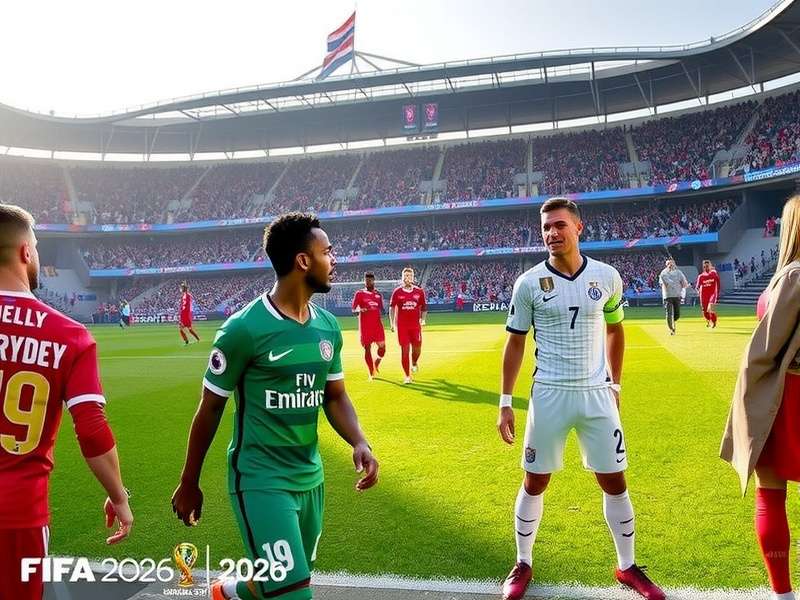
🌍 Host Cities & Venues: The Tri-Nation Spectacle
The 2026 World Cup will be spread across 16 world-class stadiums in 16 cities. This geographical spread requires careful planning for teams and fans alike. Understanding the world cup 2026 full schedule is crucial to navigating this tri-nation tournament.
🇺🇸 United States (11 Host Cities)
From the bustling East Coast to the sunny West, U.S. venues include MetLife Stadium (NY/NJ), SoFi Stadium (Los Angeles), AT&T Stadium (Dallas), and Mercedes-Benz Stadium (Atlanta). Each city promises a unique cultural experience alongside top-tier football action.
🇲🇽 Mexico (3 Host Cities)
Mexico, with its rich football heritage, will host matches in Mexico City's iconic Estadio Azteca (which will become the first stadium to host three World Cup openers), Guadalajara's Estadio Akron, and Monterrey's Estadio BBVA. For more on Mexico's role, explore our Copa Mundial heritage section.
🇨🇦 Canada (2 Host Cities)
Canada brings its welcoming spirit with venues in Toronto (BMO Field, expanded) and Vancouver (BC Place). These cities offer stunning backdrops and passionate, multicultural fan bases.
"The 2026 World Cup isn't just a tournament; it's a continent-wide celebration of football. The scheduling and logistics represent an unprecedented challenge, but the payoff—uniting three nations through sport—will be historic." — Senior FIFA Tournament Director
🎟️ Securing Your Seat: The Ticket Lottery & Access Process
With unprecedented demand expected, understanding the ticketing process is vital. FIFA will operate a phased ticket sales approach, starting with a random selection lottery in late 2025. Our insider guide on the FIFA World Cup 2026 tickets lottery provides strategies to maximize your chances.
Pro Tip: Register on FIFA's official ticketing portal well in advance. Consider applying for matches in less high-demand cities during the group stage for better odds.
📈 Tournament Format: How 48 Teams Will Battle for Glory
The expansion to 48 teams changes the dynamics significantly. The initial 12 groups of 4 teams will see the top two from each group, plus the 8 best third-place finishers, advance to a round of 32. This means more matches, more drama, and more opportunities for underdog stories. For a deep analysis of potential world cup groups, see our predictive modeling.
📊 Exclusive Data: Projected Match Load & Team Travel
Our analysis suggests the eventual champion could play up to 8 matches (compared to 7 previously). Teams will need robust squad depth and careful travel management. The longest possible travel for a team between consecutive matches could exceed 2,500 miles—making recovery protocols more critical than ever.
🔮 What to Expect: Innovations & Fan Experience
FIFA 2026 will introduce several innovations:
- Enhanced VAR Technology: Faster, more accurate decisions with semi-automated offside.
- Fan Zones: Massive, interconnected fan festivals in each host city with live broadcasts, entertainment, and local cuisine.
- Sustainability Focus: Carbon-neutral match days and extensive use of public transport.
- Digital Integration: One-ticket access to stadiums, city transport, and exclusive content via official APK download.
❓ Frequently Asked Questions
When is the next World Cup after 2026?
The 2030 FIFA World Cup is tentatively scheduled for June-July 2030. The host nation(s) are yet to be confirmed, with a joint bid from Spain, Portugal, and Morocco being a frontrunner. For ongoing updates, bookmark our when is the next world cup tracker.
How does the 2026 schedule compare to previous World Cups?
At 39 days, it's slightly longer than Qatar 2022 (29 days) due to more matches. The June-July window returns to the traditional summer slot after the winter Qatar edition.
Where can I find the most accurate, up-to-date schedule?
This page will be continuously updated. For a dedicated schedule resource, our FIFA World Cup schedule hub is the most comprehensive source available.
📚 Deep Dive: The Historical Context of Mundial 2026
The Mundial 2026 represents more than just a tournament; it's a milestone in football's globalization. It follows in the footsteps of the groundbreaking 2002 Korea/Japan World Cup, proving that collaborative hosting can work on an even larger scale. For academic and historical perspectives, our curated Mundial 2026 Wikipedia style entry provides extensive context.
In conclusion, the question "when is world cup 2026?" opens the door to a fascinating journey through logistics, culture, and sport. The dates—June 11 to July 19, 2026—are just the beginning. Start planning now, engage with the official processes, and prepare to be part of football history.
Share Your Thoughts & Questions
Have additional info or planning tips? Join the conversation below.