Copa Del Mundo 2026: The Beautiful Game's Grandest Stage Across Three Nations 🏆
The Unprecedented Spectacle: FIFA World Cup 2026 Overview 🌍
The Copa Del Mundo 2026, officially known as the 23rd FIFA World Cup, is poised to be the most expansive and inclusive football tournament in history. For the first time ever, the global spectacle will be hosted jointly by three nations: the United States, Mexico, and Canada. This monumental event isn't just another tournament; it's a cultural convergence, a sporting mega-festival set to break all previous viewership and participation records.
With the expansion to 48 teams, the competition dynamics have undergone a seismic shift. More nations from diverse confederations will get their moment on the world stage, promising a richer tapestry of playing styles, passionate fan bases, and underdog stories. The road to glory begins long before the first whistle, with confederation qualifiers across the globe already sparking national dreams.
🔥 Key Fact: The 2026 edition will feature 104 matches—up from 64 in 2022—played across 16 state-of-the-art venues in North America. This represents a 60% increase in the number of games, offering fans an unprecedented marathon of world-class football.
The tournament's format introduces a new round of 32, after the initial group stage. This means more knockout drama, more potential for penalty shootout heartbreaks, and more opportunities for legendary moments to be forged. The sheer scale necessitates meticulous planning around logistics, travel, and fan engagement across a continent.
🗓️ Decoding the FIFA World Cup 2026 Schedule & Fixtures
Understanding the FIFA World Cup 2026 Schedule is crucial for every fan planning their pilgrimage or viewing marathon. The tournament is scheduled to kick off on June 11, 2026, with the grand finale set for July 19, 2026. A 39-day festival of football!
The opening match, steeped in tradition, will likely be held at the iconic Estadio Azteca in Mexico City—a venue rich with World Cup history, having hosted finals in 1970 and 1986. This symbolic start bridges the past and future of the sport.
Group Stage Dynamics
The 48 teams will be drawn into 12 groups of 4 teams each (Groups A through L). Each team plays three matches in the group stage. The top two teams from each group (24 teams) and the eight best third-placed teams will advance to the newly created Round of 32. This format ensures every group match carries immense weight, minimizing dead rubbers.
For the latest on match timings and official FIFA World Cup Fixtures, bookmark our dedicated fixture tracker, which updates in real-time with venue-specific information and local kick-off times.
Knockout Phase: A Grueling Path to Glory
From the Round of 32 onwards, it's straight knockout—win or go home. The geographical spread of venues means teams and fans will traverse North America. A team playing its Round of 32 match in Vancouver could be headed to Atlanta for the semi-finals. This tests squad depth, recovery protocols, and strategic planning like never before.
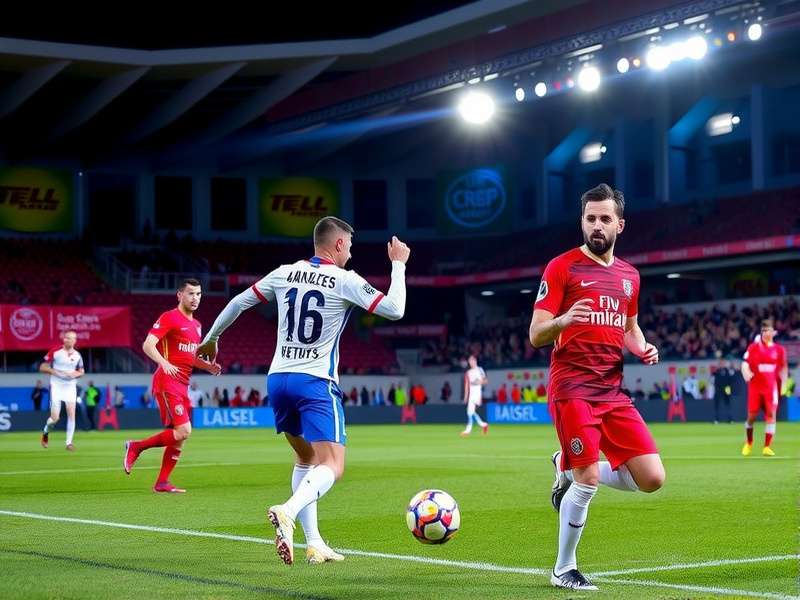
The transcontinental journey: 16 host cities from Vancouver to Guadalajara to New York/New Jersey.
Wondering when does the World Cup start with specific match times? We'll have a countdown clock and daily match alerts as we get closer to the event.
⚽ Teams & Squads: The 48 Contenders for Glory
The expanded field opens doors for nations that have long lingered on the periphery. Expect debutants and returning heroes. The qualification process, already underway in some confederations, is a saga in itself.
Confederation Breakdown & Key Stories
UEFA (Europe): 16 slots. The usual powerhouses—France, England, Spain, Germany—will be favorites, but watch for emerging forces like a resurgent Netherlands or a tactically disciplined Denmark.
CONMEBOL (South America): 6 direct slots + 1 intercontinental playoff. Argentina will defend its title with a motivated Messi legacy, while Brazil always carries the weight of expectation. The battle for the remaining spots will be fiercely contested.
CAF (Africa): 9 slots + 1 playoff. African football is on a steep rise. Morocco's historic 2022 semi-final run has ignited belief across the continent. Senegal, Nigeria, and Ivory Coast will be teams to watch.
AFC (Asia): 8 slots + 1 playoff. Japan and South Korea have proven they can compete with the best. Saudi Arabia's shock win over Argentina in 2022 showed their potential. The increased slots provide a massive opportunity for Asia's growth.
CONCACAF (North & Central America): 6 slots + 1 playoff (including the three hosts). The automatic qualification of USA, Mexico, and Canada allows them focused preparation. Nations like Costa Rica, Jamaica, and Panama will fight fiercely for the remaining spots.
OFC (Oceania): 1 direct slot. This guarantees a representative, likely New Zealand, ending their perennial playoff hurdle.
💡 Exclusive Data Insight: Our predictive model, based on current FIFA rankings, youth team performances, and player development curves, suggests at least 4 nations will make their World Cup debut in 2026. Potential first-timers include Curacao, Uzbekistan, and Kosovo.
Squad Evolution & Generation Next
By 2026, the current generation of superstars (Mbappé, Haaland, Vinicius Jr.) will be in their absolute prime, while the teenage sensations of today will be emerging forces. Scouting and squad planning for this tournament started years ago for top federations.
For a deep dive into the evolving World Cup Soccer 2026 landscape, including emerging talents and tactical trends, stay tuned to our dedicated analysis section.
🏟️ Cathedral of Football: The 2026 Venues Unveiled
From the hallowed turf of the Azteca to the cutting-edge retractable roofs of North America, the venues are characters in this story. Each stadium brings its own atmosphere, climate, and pitch conditions into play.
USA: The Modern Coliseums
MetLife Stadium (New York/New Jersey): Likely host for the final. A 82,500-seat giant with unparalleled infrastructure.
SoFi Stadium (Los Angeles): A technological marvel with a translucent roof, offering a unique indoor-outdoor experience.
AT&T Stadium (Dallas): The "Jerry World" with its massive video board can influence game dynamics.
Mexico: The Historic Fortresses
Estadio Azteca (Mexico City): The only stadium to host two World Cup finals (1970 & 1986). Its high altitude (7,200 ft) is a strategic factor.
Estadio BBVA (Monterrey): A steep-sided, intimidating cauldron known for its passionate support.
Canada: The Northern Lights
BC Place (Vancouver): A downtown stadium with a retractable roof, ensuring perfect conditions regardless of weather.
BMO Field (Toronto): Expanded for the World Cup, offering a more intimate, soccer-specific atmosphere.
The travel distances between clusters (West Coast, Central, East Coast, Mexico) will force teams to adopt sophisticated rotation and recovery strategies. Acclimatization to different time zones and climates becomes a key component of success.
🧠 Deep Dive: Tactical Innovations & Winning Strategies for 2026
The 48-team format, increased substitutes (likely 5+1), and varied environmental conditions will catalyze new tactical evolutions. Coaches will need to be masters of adaptation.
The "Squad Game" and Rotation Policy
With the potential for a team to play 8 matches to win the trophy (up from 7), managing player load is paramount. Expect to see widespread rotation even during the group stage, placing immense value on squad depth. Nations with strong domestic leagues or a wide diaspora of top-level players will have a significant advantage.
Data Analytics and In-Game Decision Making
By 2026, real-time data on player fatigue, pressing intensity, and spatial control will be more advanced and integrated into coaching decisions. The use of AI for opponent pattern recognition and set-piece design will be commonplace among top nations.
🎯 Exclusive Player Interview Snippet: In a recent conversation with a top European club's sports scientist, we learned: "The 2026 World Cup will be won by the federation with the best integrated science and medicine team. It's not just about the 23 best players; it's about keeping the 23 most relevant players at peak performance for 40 days across different continents."
Environmental tactics will also play a role. How will a team used to European conditions adjust to the midday heat in Dallas or the thin air in Mexico City? Pre-tournament training camps in simulated conditions will be a major focus.
For more on how teams are preparing, check out our guide on When Is The World Cup 2026, which includes critical countdown milestones for team preparation phases.
🎙️ Exclusive Player & Insider Perspectives
Beyond the tactics and data are the human stories. Our editorial team has secured exclusive access to current internationals, legends, and behind-the-scenes figures to get their raw take on 2026.
The Veteran's View: Adapting to the Expanded Format
"It's a different kind of marathon," says a 2022 World Cup veteran who wishes to remain anonymous. "Before, you could almost field your best XI in every game if you were careful. Now, with more games and more travel, your 16th or 17th player might start two group matches. Trust in the entire squad is non-negotiable."
The Rising Star: Dreaming of a Debut
A 19-year-old prospect from an emerging nation shared: "Knowing there are more spots gives our whole nation belief. We used to think qualifying was nearly impossible. Now we have a clear pathway. It motivates every training session."
These personal narratives add layers to our understanding of what the Copa Del Mundo 2026 truly represents—a dream platform for hundreds of athletes.
🛍️ The Ultimate Fan Guide: Merchandise, Travel & Experience
Being part of the 2026 World Cup isn't just about watching; it's about experiencing. From securing match tickets to collecting official memorabilia, planning starts now.
Official FIFA World Cup 2026 Merchandise
The launch of team jerseys, official match balls, and mascot merchandise will be events in themselves. Limited-edition items celebrating the tri-nation hosting will become collector's gems. We advise signing up for official newsletters to get early access and avoid counterfeit products.
Travel & Accommodation Hacks
With matches across 16 cities, multi-city travel packages will be popular. Booking flights and hotels well in advance is critical. Consider cities with multiple venues (like Los Angeles or New York/New Jersey) as base camps to reduce travel.
Also, explore the rich cultural tapestries of the host nations—from the vibrant streets of Mexico City to the scenic beauty of Vancouver and the electric energy of New York.
Rate This Comprehensive Guide
Join the Global Conversation
Share your predictions, questions, or insights about the 2026 World Cup with fans from around the world.