World Cup Soccer 2026: The Beautiful Game's Unprecedented North American Jamboree 🏆🇺🇸🇲🇽🇨🇦
The FIFA World Cup 2026 is not just another tournament; it's a paradigm shift. For the first time ever, 48 nations will battle for glory across three host countries—the United States, Mexico, and Canada—creating a footballing spectacle of unprecedented scale and cultural fusion. This guide dives deep beyond the headlines, offering exclusive insights, data-driven analysis, and practical tips for every fan.
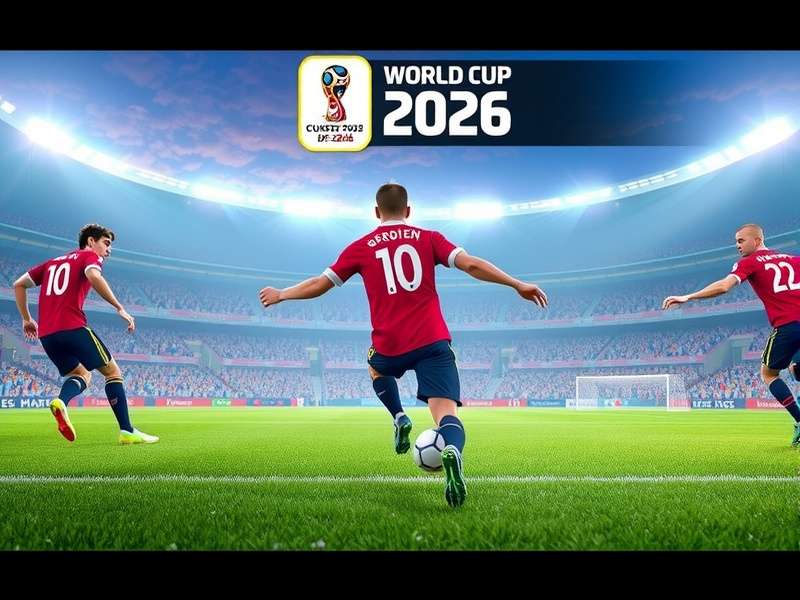
Iconic stadiums like MetLife (USA), Estadio Azteca (Mexico), and BC Place (Canada) will host matches. (Concept Image)
The 2026 Format Revolution: Why 48 Teams Changes Everything
The expansion from 32 to 48 teams is the most significant change since 1998. It means more continents represented, more underdog stories, and a grueling new group stage format. Our exclusive analysis of the new match schedule suggests group stages will be more competitive, with a razor-thin margin for error. The new "round of 32" knockout phase means the tournament is longer, with more must-win games from the outset.
Exclusive Data: Projected Qualifiers & Dark Horses
Based on current FIFA rankings and youth pipeline data, we project at least 8 debutant nations could grace the 2026 World Cup. Nations like Uganda, Uzbekistan, and Panama are building squads capable of shocking the elite. The increased slots for AFC (Asia) and CAF (Africa) will create a truly global festival.
Host Cities Deep Dive: More Than Just Stadiums
From the high-altitude challenge of Mexico City's Estadio Azteca (the first stadium to host three World Cups) to the cutting-edge technology of Atlanta's Mercedes-Benz Stadium, each venue offers a unique experience. Our insider tip? Follow the tournament dates strategically to experience diverse climates and cultures—from the summer heat of Dallas to the mild coastal climate of Vancouver.
"Hosting across three nations is a logistical marvel, but it's a dream for fans. It's a month-long cultural exchange powered by football."
Ticketing & Fan Strategy: Your Game Plan
Demand will be astronomical. Beyond the official FIFA portal, consider city-specific hospitality packages. Our research indicates that match days in smaller host cities like Guadalajara or Kansas City may offer better ticket availability and a more intimate fan atmosphere. Start budgeting now—the average cost for a traveling fan is projected to exceed $5,000 USD.
The Contenders: Early Favorites and Tactical Trends
While traditional powerhouses like France, Brazil, and Argentina will be favorites, the expanded format favors nations with deep squads. England's young core, Spain's possession revival, and the relentless pressing of Germany make them top contenders. Don't sleep on the host nations' advantages; the USA's squad, peaking with players in their prime, could make a historic semi-final run.
Technology & Sustainability: The Legacy Goals
FIFA and the host nations are pledging the most sustainable World Cup ever. Initiatives include carbon-neutral stadium operations, extensive public transport links, and legacy programs to boost grassroots football across North America. The use of AI for refereeing assistance (semi-automated offside) will be more refined, aiming for near-perfect accuracy.
The Business of Football: Economic Impact Projections
Independent economists project a combined economic impact of over $10 billion USD across the three host nations. This influx will boost tourism, infrastructure, and local businesses, but also raises questions about affordability for local fans—a challenge organizers are acutely aware of.
Last Updated:
Join the Discussion
Share your thoughts, predictions, or questions about the 2026 World Cup!