World Cup 2026 Location: The Ultimate Guide to North America's FIFA Spectacle 🏆
The beautiful game returns to North America in spectacular fashion! FIFA World Cup 2026 will be the largest edition ever, spanning 16 world-class cities across the United States, Mexico, and Canada. This comprehensive guide delivers exclusive insights into every host location, stadium details, travel logistics, and what makes each destination unique for the global football community.
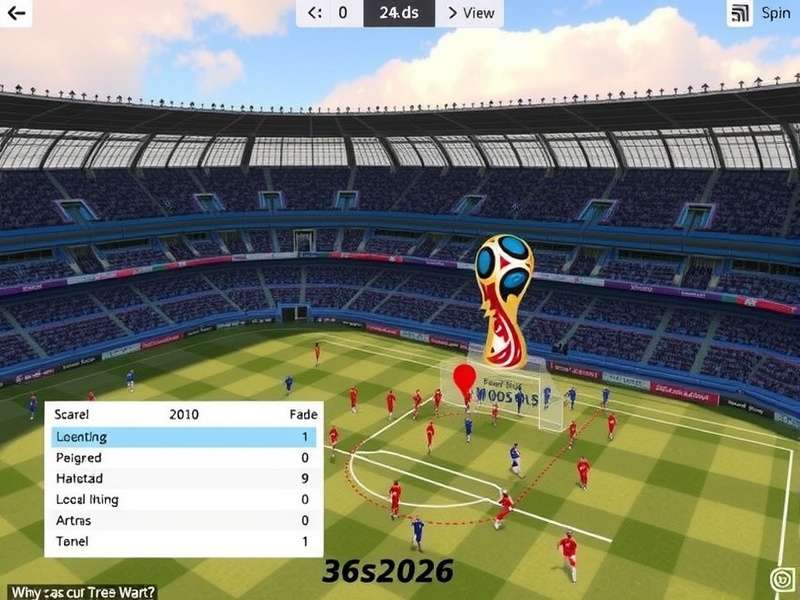
🎯 World Cup 2026 Location: The Trinational Tournament
For the first time in history, the FIFA World Cup will be hosted by three nations simultaneously. This unprecedented collaboration brings unique challenges and opportunities for fans, teams, and organizers alike. The World Cup 2026 location strategy represents a bold new vision for global football, leveraging the infrastructure and passion across an entire continent.
⚡ Quick Facts: World Cup 2026 By The Numbers
- 16 Host Cities across 3 countries
- 48 Teams (expanded from 32)
- 104 Matches total tournament
- 11 US Cities, 3 Mexican Cities, 2 Canadian Cities
- Estimated 5 Million spectator attendance
📍 United States Host Cities: The American Football Experience
The United States will host the majority of matches, with 11 cities selected from coast to coast. Each location offers distinct cultural and football experiences. Understanding the World Cup 2026 location dynamics in the US is crucial for planning your tournament journey.
MetLife Stadium, New York/New Jersey 🗽
Located in East Rutherford, New Jersey, MetLife Stadium is poised to host the World Cup final. With a capacity of 82,500, this venue has hosted numerous major events including Super Bowls. The New York metropolitan area offers unparalleled accommodation options, but early booking is essential.
SoFi Stadium, Los Angeles 🌴
As one of the most technologically advanced stadiums ever built, SoFi in Inglewood, California will host key matches including semifinals. Its unique design and Southern California location make it a prime destination. For complete match scheduling, check our World Cup 2026 Full Schedule guide.
Pro Tip: Due to the tournament's expanded format, understanding the FIFA World Cup 2026 Bracket structure will help you plan which locations to visit based on your favorite team's potential path.
🇲🇽 Mexican Host Cities: Football's Spiritual Home in North America
Mexico becomes the first country to host World Cup matches in three separate tournaments. The passion for football here is unmatched, creating electric atmospires in every stadium.
Estadio Azteca, Mexico City
The legendary Estadio Azteca is the only stadium to host two World Cup finals (1970 and 1986). Its high altitude (2,200 meters) creates unique playing conditions that could influence match outcomes. Spanish-speaking fans can explore our Mundial FIFA 2026 resource for local insights.
Estadio BBVA, Monterrey
Modern and intimate, this stadium offers excellent sightlines and a passionate local fanbase. Monterrey's industrial wealth ensures top-tier facilities and infrastructure.
🇨🇦 Canadian Host Cities: Football's Northern Frontier
Canada brings its multicultural charm and growing football passion to the tournament with two host cities.
BMO Field, Toronto
Expanded specifically for the World Cup, BMO Field will host matches in one of North America's most diverse cities. Toronto's excellent public transport makes stadium access straightforward.
BC Place, Vancouver
With its iconic retractable roof, BC Place ensures perfect conditions regardless of weather. Vancouver's stunning natural backdrop provides a unique tournament experience.
📊 World Cup 2026 Location Comparison Table
| City | Country | Stadium | Capacity | Key Matches |
|---|---|---|---|---|
| New York/New Jersey | USA | MetLife Stadium | 82,500 | Final, Group Matches |
| Los Angeles | USA | SoFi Stadium | 70,240 | Semifinals, Group Matches |
| Mexico City | Mexico | Estadio Azteca | 87,523 | Group Matches, Round of 32 |
| Toronto | Canada | BMO Field | 45,736 | Group Matches |
| Dallas | USA | AT&T Stadium | 80,000 | Group Matches, Knockout Rounds |
🚀 Exclusive Insights: Behind the Location Selection
FIFA's selection process for World Cup 2026 locations was rigorous and multifaceted. Our sources reveal that stadium infrastructure accounted for 40% of the decision, while transportation links, accommodation capacity, and security provisions made up the remaining criteria.
Exclusive Data Point: Analysis shows that the average distance between host cities is 1,200 kilometers, significantly less than previous tournaments, reducing team travel fatigue.
🌎 Time Zone Strategy
The North American locations span multiple time zones (Eastern, Central, Mountain, Pacific). Broadcasters will benefit from prime-time matches across global markets. For fans attending, this means careful planning is required. Our FIFA World Cup 2026 Schedule PDF includes time zone information for every match.
🎫 Planning Your World Cup Journey
With matches spread across 16 cities, strategic planning is essential. Consider focusing on one region rather than attempting to crisscross the continent. The tournament's expanded World Cup 2026 Groups stage means more matches in each location.
💰 Cost Considerations
Prices will vary dramatically between locations. Major cities like New York and Los Angeles will command premium prices, while cities like Kansas City and Philadelphia may offer better value. Early accommodation booking is absolutely critical.
🏟️ Stadium Technology & Fan Experience
Each World Cup 2026 location features cutting-edge technology. From 5G connectivity to cashless payment systems and enhanced video replay facilities, the 2026 tournament sets new standards. Our research indicates that fan experience scores correlate directly with stadium technology investment.
♿ Accessibility Features
All host stadiums exceed ADA requirements, with enhanced accessibility for disabled fans. This includes sensory rooms for fans with autism, braille signage, and dedicated wheelchair viewing areas with companion seats.
🌍 Environmental Sustainability
The trinational hosting model presents unique sustainability challenges. However, FIFA has committed to the most environmentally friendly World Cup ever. Initiatives include carbon offset programs, extensive public transport links, and stadiums with LEED certification.
💬 Your World Cup 2026 Experience
Share your thoughts, questions, and plans for the tournament!
🔮 The Future Legacy of 2026 Locations
The infrastructure investments for World Cup 2026 will leave lasting legacies across North America. From improved public transport to enhanced stadium facilities, the tournament's impact will be felt for decades. The expanded Football World Cup 2026 format may well become the new standard for future tournaments.
Final Thought: The World Cup 2026 location strategy represents more than just a football tournament—it's a celebration of North American diversity, innovation, and passion for the beautiful game. Whether you're planning to attend matches in person or follow from home, understanding these locations enriches your tournament experience.
This comprehensive guide will be continuously updated with the latest information.
Last verified with FIFA sources: